Skip to content

Category: Commentary

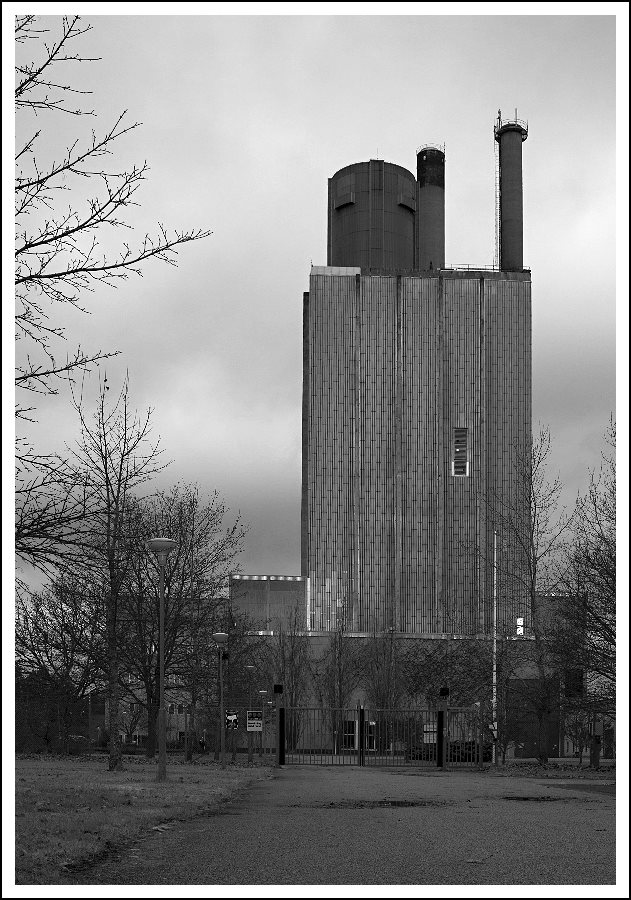
Visit to Marviken

Sometimes the NPYP bunch tires of being rough on the roughnecks and decides to leave the jungle headquarters for a walk on the streets like normal people. Such an momentous occasion happened this week, and where else could they be found other than at the only oil fired nuclear power plant in the world (don’t tell us we don’t know how to party!)?

The power plant in question is Marviken, located about 150 km driving distance from Stockholm. It was supposed to be the first large scale electricity producing nuclear power plant built according to “the Swedish line”. The design principles behind the Swedish line was:

  • Natural uranium as fuel so that the abundant Swedish uranium resources could be utilized without any need to depend on import.
  • Heavy water as moderator because light water steals to many neutrons to be possible to use with natural uranium fuel.
  • Possibility to refuel during operation so that fuel bundles can be removed at the point where the Plutonium isotope composition is the most beneficial as weapons material.
4 Comments

Olika sätt att se på ljus


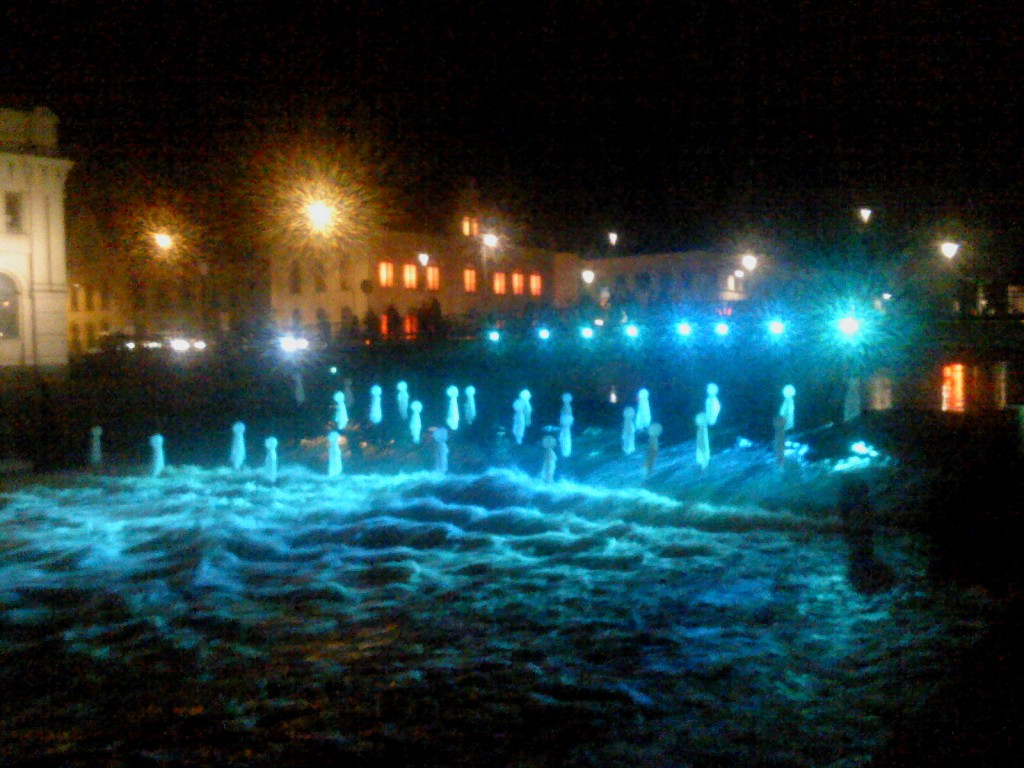
Ljusinstallationen "Sirenernas metamorfos" vid Islandsfallet i Fyrisån, centrala Uppsala. Konstnär: Martin Kempe

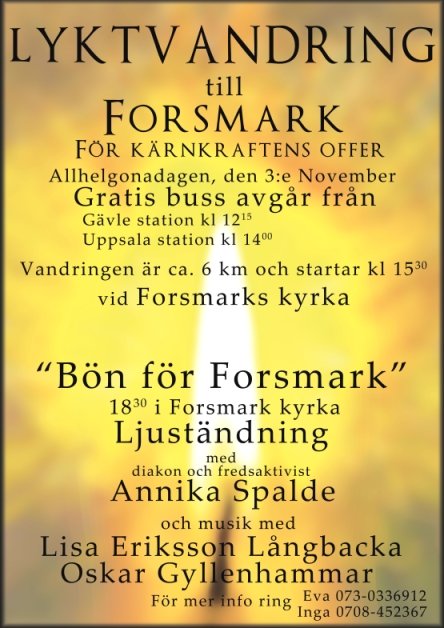
I Uppsala hyllas i Allhelgonahelgen ljuset med ett antal installationer under namnet “Allt ljus på Uppsala” (bildspel här). Att omkring hälften av elen till dessa installationer kommer från kärnkraften tänker nog inte många på. Samtidigt sker en märklig manifestation i en annan del av Uppland. Medlemmar av Folkkampanjen mot Kärnkraft-Kärnvapen (FmKK) arrangerade under lördagen en Lyktvandring till Forsmark för kärnkraftens offer.

Man kan tycka vad man vill om detta evenemang och det faktum att kyrkan fick kalla fötter och med kort varsel drog sig ur manifestationen. Men ett par frågor uppkommer kring de uttalanden som gjorts inför lyktvandringen.

  • På flera ställen, bland annat i Fria Tidningen, hävdas att man tänker hylla de som dött i Tjernobyl och Fukushima. Gott så vad det gäller Tjernobyl, men vilka är det arrangörerna har i åtanke i Fukushima? Ett förtydligande vore på sin plats.
  • Om nu dessa vandringslystna kärnkraftsmotståndare verkligen bryr sig om dödsoffer från elproduktion så förväntar vi oss att det snart kommer en uppföljning med lyktvandringar för offren av andra energislag. En studie av ExternE-rapporterna skulle inte skada, eller åtminstone den mer lättlästa summering som Analysgruppen gav ut år 2001 (Bakgrund #1, Mars 2001). Eller är det så att vissa dödsoffer är viktigare än andra?

I väntan på svar på dessa frågor får Uppsalaborna fortsätta njuta av ljusinstallationerna längs Fyrisån, till huvuddelen drivna med el från två relativt rena och säkra energislag; vattenkraft och kärnkraft.

4 Comments

Information for the foreign visitors to the Swedish nuclear power plants

The recent visits to the nuclear power plants at Forsmark and Ringhals and the surrounding nature, mainly by foreign citizens, raises a few concerns. Many Swedes are of course charmed by the sudden increase in tourism to the northern parts of Uppland and Halland counties, October is not the most attractive season. There are, however, some useful information that would be good for any foreign visitor to be aware of, and we will therefore give a bit of advice, should this increased level of tourism continue.

The beautiful nature near the Forsmark nuclear power plant

In Sweden we have something called “Allemansrätten” (usually translated as “Right of public access” or “Everyman’s right“). Allemansrätten gives you the right to access of our nature, not only at national parks and other dedicated areas. In principle you may go anywhere you like all over Sweden; our forests, pastureland, mountains, lakes and rivers are all available for you to enjoy, Swede or foreigner alike. But there’s more to it. You are also allowed to pick flowers, berries and mushrooms for your enjoyment, and you may raise a tent almost anywhere for a night or two without asking for permission.

6 Comments

Viskleken i media

Tisdagen 2 oktober bjöd på intressanta nyheter. Först Greenpeace så kallade rapport där de kommer till slutsatsen att svensk kärnkraft bör stängas ned omedelbart av säkerhetsskäl (vi lär få anledning att återkomma till den…).

Så någon timme senare rapporterades det från diverse nyhetsmedia (håll i er nu), bland annat SVT, att Dagens Nyheter berättar att en reporter hos Expressen har läst en artikel i den tyska tidningen Frankfurter Allgemeine som hävdar att läckt information från EU-kommissionen i en kommande rapport ger kärnkraftverken vid Forsmark och finska Olkiluoto svidande kritik av säkerheten. Puh!

Det är mycket riktigt en rapport som EUs energikommissionär kommer redovisa snart. Rapporten baseras på arbetet som  European Nuclear Safety Regulation Group (ENSREG) lett med de stresstester av kärnkraftverk som genomfördes i ett antal europeiska länder under förra vintern. ENSREG skapades år 2007 på initiativ av EU-kommissionen.

Den här rapporten kommer givetvis bli väldigt intressant läsning. Greenpeace har redan gått händelserna i förväg och lät en av sina “experter” döma ut kärnkraften baserat på de rapporter från stresstesterna som varje land lämnat in till ENSREG. Den “svidande kritiken” av Forsmark som läckt ut tycks tas med ro både av Strålsäkerhetsmyndigheten och av informationsansvarige på Forsmark. De vill gärna läsa rapporten först och inte förlita sig på rykten spridda via medias egen lilla visklek, men på grund av allt ståhej så har man lagt upp en del information kring säkerhetsarbetet och stresstesterna på Vattenfalls websidor.

Man kan förundras över att nyhetsmedier som SVT och DN är så snara med att återge vad andra nyhetsmedier grävt fram utan att ens låtsas att man försöker kolla upp saken själva först. Det kan inte vara lätt att vara reporter i dagens mediaklimat. Men om dagens reportrar tror att nyheter är något som man får av andra och bara vidarebefordrar som när man trycker på forward-knappen i sitt mailprogram, då bör man ta sig en allvarlig funderare på sin arbetsbeskrivning…

För den som vill läsa något mer utförlig rapportering rekommenderas exempelvis:

De franska och tyska originalartiklarna från 1 oktober 2012 finns här:

Mer information om stresstesterna:


Och för den som hellre vill köpa spelet: Ryktet går


Uppdatering lördag 6 oktober 2012

EU-kommissionens rapport släpptes i torsdags (4 oktober). Alla dokumenten finns på denna websida. Pressreleasen går att få i svensk översättning.

Energikommissionären Günther Oettingers uttalande finns här, se även här.

Givetvis går det inte att göra alla nöjda, här är uttalanden från den gröna alliansen i EU-parlamentet.

Men man kan förstås även tänka sig andra scenarier, som förslaget på stresstest av andra energislag.


4 Comments

Joseph Mangano never stops, and he never gets it right

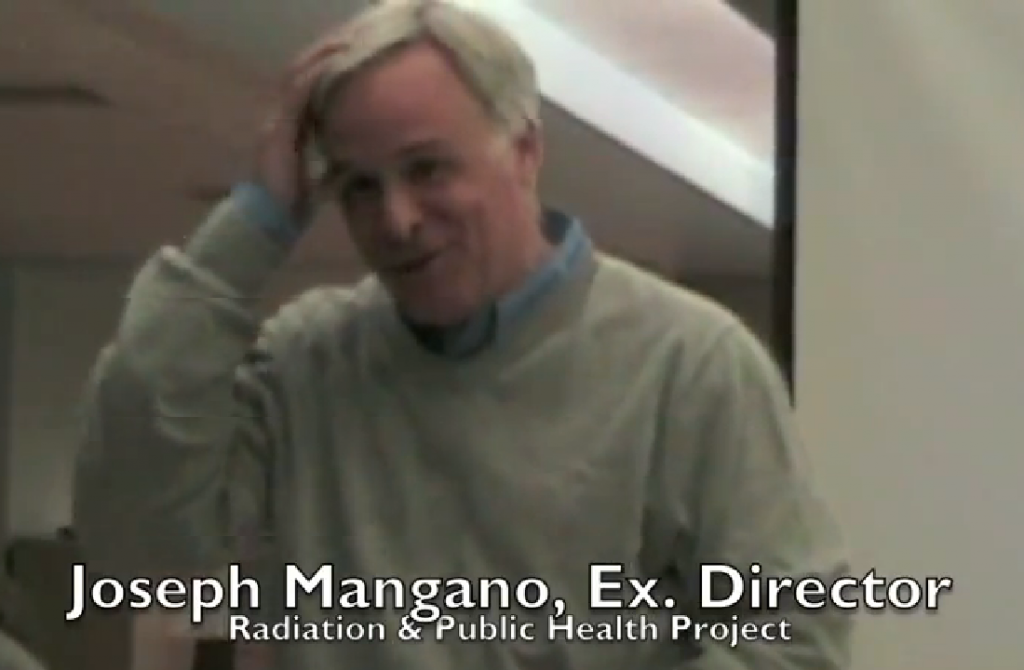
Joseph Mangano has once again puffed too hard on the alarmist pipe, now with a new article in the August 15 edition of the political newsletter Counterpunch. We recognize the pattern from before: First spread a bit of scaremongering disguised as research in some fringe media. You mix the alarmistic message with some caution in order to cover your back in case somebody will put you to task, knowing that the alarmistic part will advertise itself, be inflated and spread through the internet and possibly some news media. Then some time later you publish an extended study with a similar message in a scientific journal with low quality threshold.

Joseph Mangano seems happily surprised that people once again are falling for his junk science.

This time the title of the Counterpunch article starts with the rather cynical Let the Counting Begin followed by Fukushima’s Nuclear Casualties. It is just a calculation exercise for Joe, and it could have been an interesting one if it weren’t for the fact that:

  • he is counting dead people in Japan during 2011, claiming that the cause of death for 38,700 of them are unexplained, with the implication that radioactivity from Fukushima is the cause, and
  • a closer scrutiny shows that once again he is handling the data in a very irresponsible way in order to push his own anti-nuclear agenda.

4 Comments

A few interesting videos of reactor experiments

During the 50’s and 60’s a number of experiments where conducted in the US to examine criticality accidents in light water reactors. One basically inserted large amounts of criticality (by ejecting control rods from the core) to see what happens. It is quite fascinating to watch the videos of the experiments. The first two videos are from the Borax experiments and the third one from SPERT, enjoy watching them!

I will try to find some time to write more about criticality, prompt criticality and feedbacks that keep reactors stable and how one calculates transients, but until then if someone technically minded wants to read more about the experiment I recommend searching on DOE’s information bride (http://www.osti.gov/bridge/basicsearch.jsp)


4 Comments

Sweden’s largest utility applies to start building new reactors

Sweden’s largest utility – state-owned Vattenfall – which today owns seven of Sweden’s ten nuclear power reactors – has applied to commence planning building new reactors with Sweden’s nuclear regulators: the Swedish Radiation Protection Authority.

Application received for construction of new nuclear power reactors

Vattenfall AB submitted an application to the Swedish Radiation Safety Authority today concerning replacement of up to two of the company’s existing nuclear power reactors.  According to Vattenfall, this step facilitates an analysis of the preconditions for a possible future investment in new reactors.

Short history of nuclear power in Sweden:

Late 1930’s-1940s’s: Jewish-born Lise Meitner flees Austria after Nazi-germany annexes it. Ends up at the Royal Institute of Technology (KTH) in Stockholm. There she is made member of an advisory group that soon after the war recommends that Sweden develop nuclear power.

1950’s: Reactor 1 (R1) is built at KTH. It is a heavy water moderated research reactor. Sweden aims – secretly – to become self-sufficient regarding nuclear power and atomic weapons.

1960’s: R2 and R2-0 – pool-type reactors – are built in Studsvik. R3 – a heavy water moderated reactor that delivers electricity and distric heating – is taken into operation in Farsta, a suburb of Stockholm. R4 however – a combined heavy water boiler and plutonium breeder design – fails miserably as it becomes obvious that swapping out fuel during normal operation of a boiler reactor is grossly impractical. The reactor is never built and a oil fired boiler is put in its place to drive the built turbines and generator. The nuclear weapons program is put on hold and eventually scrapped. Private netures begin projecting light water reactors instead.

1970’s: The Swedish Center Party – wishing to adopt an “environmental profile” – meet with Nobel prize laureate -Hannes Alfvén and are made to believe that Plutonium contamination will be inevitable is nuclear power is used. They begin campaigning against nuclear power. The first privately owned commersial reactors into operation from 1971 and onwards. The nuclear debate rages hotter and more intense towards the end of the decade, even causing the fall of one govenment cabinet. The Three Mile Island accident makes all politicla parties to agree on a referendum.

1980: The referendum is held… but the choices the people get to vote for are three “lines” of action, all of them meaning the abandoning of nuclear power in Sweden. “Line 2” wins, meaning that “nuclear power will discontinued when suitable replacements are in operation and provided that work and well-being are not compromised”. The Swedish parliament puts into law that no new power reactors will be built, and that in the year 2010 all nuclear power shall be closed in Sweden.

1986: As a result of the Chernobyl accident, Sweden receives large amounts of contamination. The so-called “Thought-ban” – which makes planning, designing or even calculating the cost of a new power reactor in Sweden punishable by fines or jail up to two years – is put into effect the following year.

1997: A bi-partisan agreement is made between the then government and the Center party. The government is given legal power to order the closure of any of Sweden’s twelve power reactors without going through parliament. Also the end date of 2010 is lifted.

1999 and 2005: Using the powers mentioned above, the two nuclear reactors at Barsebäck nuclear power plant are shut down permanently.

2006: The “Thought-ban” is lifted after 20 years as it is concluded that all development of nuclear technology in Sweden has ceased… including safety improvements.

2009-2010: The “Alliance for Sweden” coalition government reaches an agreement that the ban on nuclear power in Sweden shall be lifted.

2011: The Fukushima accident sparks an intense flurry of debate… which then oddly enough dies out completely after about six months and doesn’t come back until the end of the year.
Comments closed

The big bad nuclear mafia

Quite often in the nuclear debate one encounters the idea that the nuclear industry is some industrial juggernaut of immense proportions, so large and rich that it can pay an army of lobbyists and crush the poor little renewable energy industry beneath its heel. Nuclear is firmly place next to oil, gas and coal in magnitude, richness and reach in the opponents mind. Renewable energy companies on the other hand are envisioned as small mom and pop buisnesses run out of the back of the yard with very small means and no political or economic clout to speak of.  But what is it really like?

26 Comments